Linguistic and cultural program development in the early 1970s
Can we change the system without becoming part of it?
This story is about tracing origins of parents’ activisms in integrating different languages and cultures into Anglo-dominant schools in Ontario. These origins tell tradeoffs: expanding equity but partly at the expense of languages. This important historical consequence presents us a question: Can we change the system without becoming part of it?
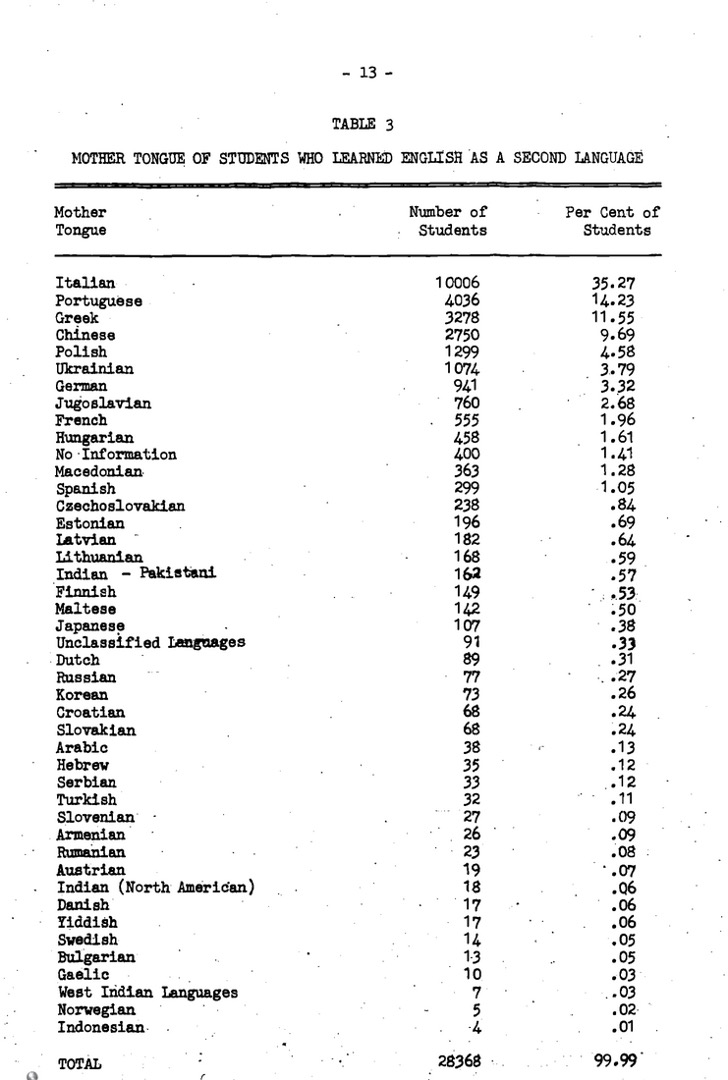
The diversity of languages among their student populations was already one major feature of Toronto schools in the early 1970s, in the years before the provincial establishment of the Heritage Languages Program. The Every Student Survey (1970) identified more than 40 languages as studentsā mother tongues, and more than fifty percent of the whole student population came from the homes using languages other than English.Ā
While parents as newcomers worked hard to thrive socially and economically, they were often the subject of negative stereotypes. These stereotypes were not new. Many educators and school administrators had believed that immigrant, working-class, and ethnic groups were not interested in their childrenās education or in participating in school events or local leadership. This lack of interest had been explained as an inability to speak and/or understand English. Additionally, in the schools of the 1970s, the educators and school administrators increasingly described it as ācultural differences.ā
In reality, many of these parents who belonged to various ethnocultural groups presented their interest in discussing their childrenās education with school educators and administrators. They had both hopes and concerns for the lack of inclusion of their own languages and cultures in their childrenās mainstream schools.
November 12, 1974 ⢠Parent organization proposal
View document ā
October 10, 1975 ⢠Community letter
View document ā
November 13, 2023 ⢠Audio recording
At the beginning it was a little bit difficult, the views were divided. We had to convince them. The community was divided [so] we had to convince them. The parents were always on our side. I remember, that’s where, the reason why we won the battle, if you call it that way, was becauseāI believe very strongly in the parents’ involvement. So, whenever we had a meeting, I remember in those days, the major complaint with your principal was, āItalians, they don’t come to meetings. Italians don’t care about education.ā And I would say, āOkay, let’s give it a shot. Let’s send a notice.ā āI did! You know, I invited them to a tea!ā I said, āWell, the tea Italians drink only when they have a stomach problem, you know, you cannot invite them to a tea. And we cannot invite them for a glass of wine either. So, what we do is this: write a letter saying, talk about the future of education.ā And they would comeā400, 500 people. And the principals will say [expressing surprise] āThe Italians participate! Oh my God! What’s happening?ā
Pushing the school door to open for teaching students’ languages and cultures.
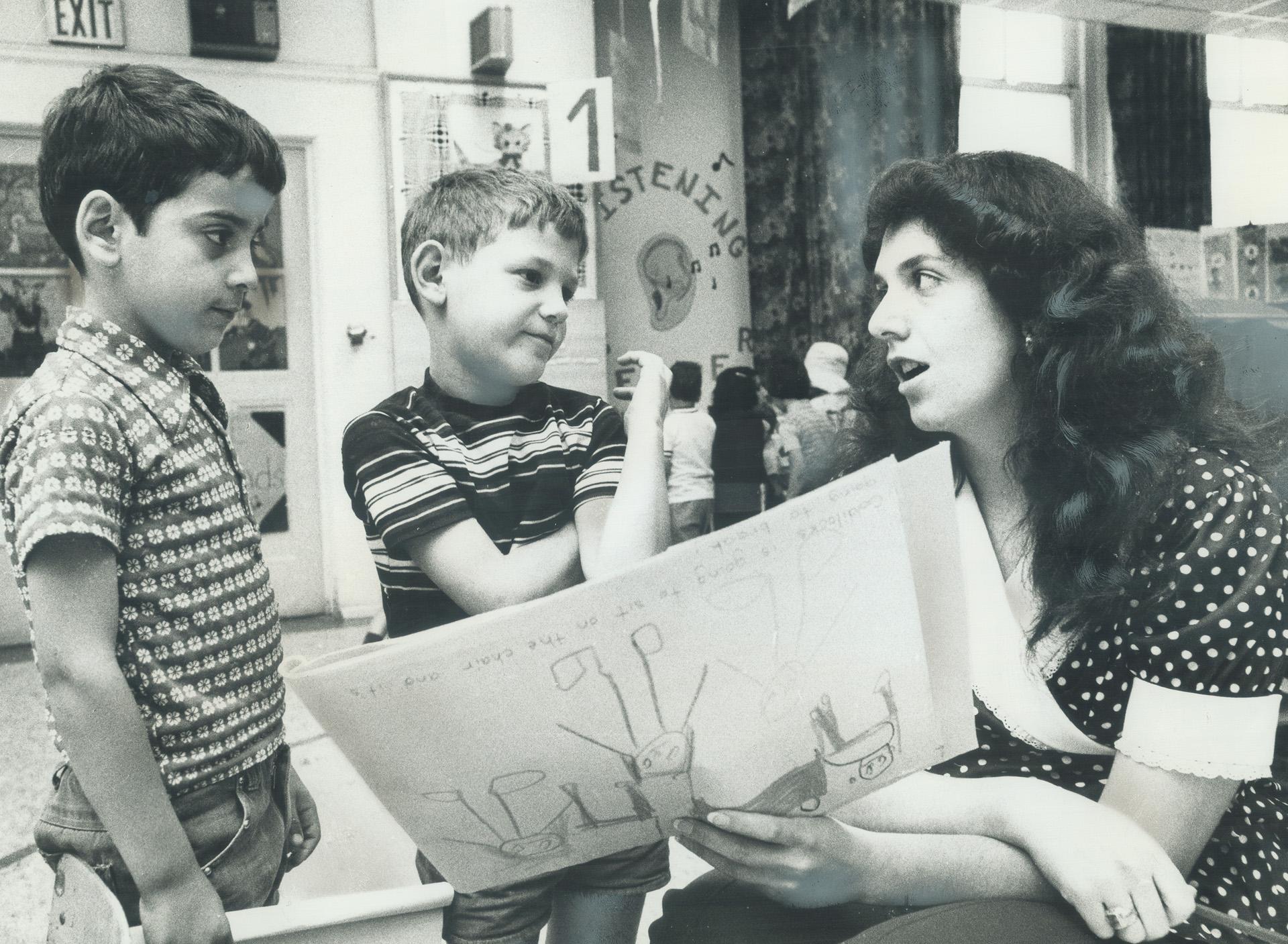
One clear sign of how involved parents were in decisions over school programming were experimental language and culture programs set up at several elementary schools in the 1970s.Ā
In 1972, support from Italian-speaking parents led to anĀ Italian-English program for early elementary students at General Mercer school.
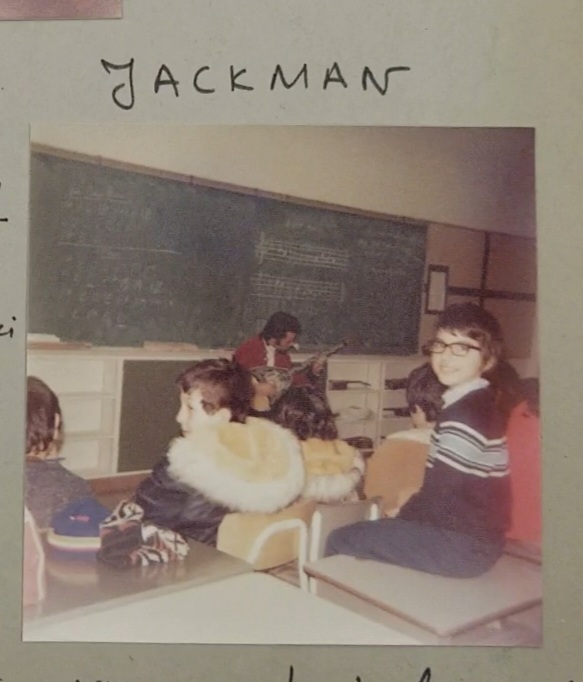
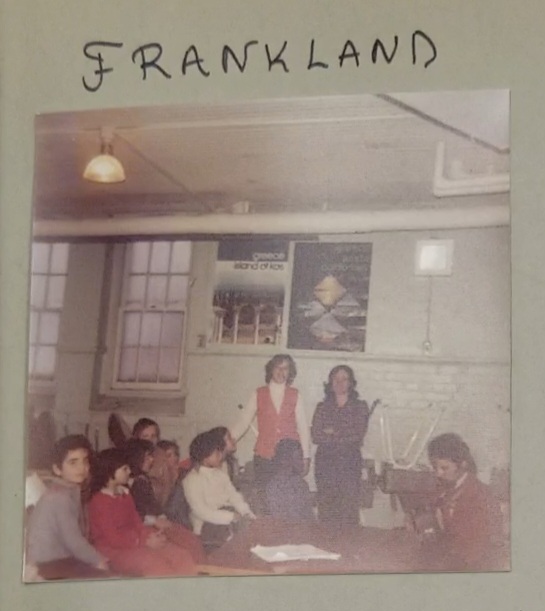
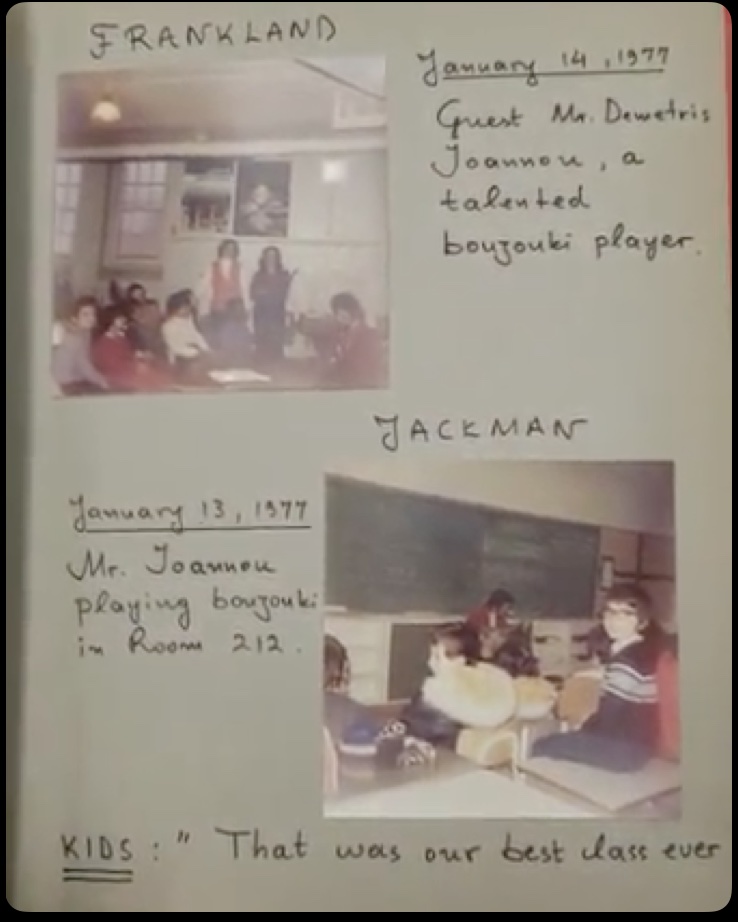
In 1973, the Chinese Parentsā Association in Orde and Ogden schools and the Greek Parentsā Association in Frankland and Jackman schools negotiated with the Board to establish programs to integrate their community-based language and culture programs within the schools. These programs were later named Chinese-Canadian Bilingual/Bicultural Programs and Greek-Canadian Bilingual/Bicultural Programs and operated from 1974 to 1977.
Expansion of discussions and a trade-off for the parents to open a space within the school
Even if these programs look niche and only relevant to specific groups of people and schools in Toronto, they didnāt just happen in isolation from each other.Ā
The parents behind these initiatives needed to become activists who recognized and knew how to navigate the system, cultures, and people in their schools and school board. They had to learn to utilize not just English, but the language of institutional policy actors such as Ministry staff and the Board members.Ā
May 25, 2023 ⢠Audio recording
I think we followed, a little bit, the Greeksā steps. The Greeks were, I remember when I came [to Toronto from Portugal], the Greeks had lots of programs, they were really involved, etc. And there was a very good group of activists when I came that were on top of everything. So when we, when I came, it was easy to continue. I didn’t have to do a lot of things because the Greeks already had started demanding programs, knowing how many numbers you needed in a school. And so, when the Portuguese started being very involved [in linguistic and cultural programs at the school level], it was in the 70s. Because as I said, they came in the 50s. But men alone, single, [for] most of them. So the kids started reallyāthe first school in the Portuguese community started in 1965, with a group of 25 kids. Then, the schools only in the 70s. I think the first program was Ryerson Public School. And, it started being more and more because more peopleāSo it was when I came in the 80s, it was already going on. There was a parent involvement committee. So, IĀ got in. And as I said, because I had a child, I was very interested in knowing everything about theĀ schools. So, it was an easy thing for me, because I spoke the language I could, coming from the university, not [as] most of the parents, they were not educated, their English was broken. I mean, theyĀ were very much involved, but they couldn’t express themselves. They always told me, “Yeah, you speak!ā So, it was a kind of advantageous time to be active.

This transformation of parents became viable in collaboration with the actors of local politics, especially within the school board. At the same time, some institutional actors recognized these parentsā voices and actions as inadmissible to the school boardās program management.
āItās the question of seeing the school as the institution for achieving social cohesion as over against seeing it as the agency for personal fulfillment as the ethnic groups desireā
– Administrator, Ontario Ministry of Education, 19732
Under the Ontario Education Act, the use of non-official language as a medium of instruction has been prohibited. The institutional actors who resisted the change of the system found convenient excuses to reject the parentsā proposals based on the provincial regulation. They asked the parents to clearly separate instructional use of heritage languages from the cultural teaching in the proposed programs.Ā
Therefore, although two of the new programs were authorized with the name of āBilingual/Bicultural Program,ā the Board negotiated with the parents to protect schools from any legal and financial responsibilities in program operation.
āThe trick was to device a program that would not use Chinese as the language of instruction and one that would not displace teachers or commit the Board to extra costsā
– Board member, Toronto Board of Education, 19763
The institutional response led to a compromise in the new programs, prioritizing acceptable cultural teaching over the integration of studentsā home languages into the school learning. This shift might be a trade-off for the parents to open a space within their childrenās mainstream schools. However, it undermined these parentsā rights to co-construct the educational environment based on their linguistic perspectives and awareness.
Reflection is needed to change the system today.
In the early 1970s, parents’ proposals sparked program development that enabled minoritized groups to voice their children’s educational needs. However, this also highlighted a continuous tension, as school education policy actors expressed their support for restricting heritage language education in schools as a necessary means. The focus on the debate within the institutional framework contributed to reinforcing the divide between school (public) and community (private), in which parents have been encouraged to become part of the system out of private concerns (or interests).
Today, such explicit division based on language difference might rarely gain attention in school administration. However, it is still largely up to parents and community whether programs for heritage language learning can live in the system or not. For instance, today, at the Toronto Catholic School Board, āIn the International Languages Elementary (ILE) integrated day delivery model, the program is delivered during the school day when at least 67% of the parents of a school request a language program to be established within the scheduled school day.ā4Ā
To work towards changing the system for better equity in multilingual education today, it is essential to consider various voices, especially those of minoritized groups, such as parents and communities. Considering them, we need to reflect on what sociopolitical expectations have framed those parentsā positions, defined their voices, and regulated possibilities for educational change within the system. The history of increasing parental activism in the early 1970s reveals great efforts and contributions from parents to improve linguistic and cultural equity in education, but their struggles also highlight what they have lost in responding to such expectations.